

 en


Wind Power and New Energy

Applications of Shot Peening in Wind Power and New Energy:
1. Gearboxes and bearings: Shot peening brings residual compressive stress into gear tooth surfaces, greatly improving their fatigue resistance and wear resistance. Precision strengthening techniques such as fine-particle peening are an effective way to extend bearing service life and improve operational safety.
2. Steel plate pre-treatment: Thick plates for wind tower barrels are pre-treated on a roller-conveyor blaster before rolling. This can thoroughly remove surface oxide scale and corrosion and create a controlled surface roughness that enhances the adhesion of subsequent coatings.
3. Wind turbine blades: Blades are the core components for capturing wind energy and are continuously subjected to vibrational stress, making fatigue their primary failure mode. Shot peening is currently the most economical and effective solution to metal fatigue in blades. During blade manufacturing, blasting is also used to clean surface contaminants and oxide scale and to improve surface quality.
We Understand Your Supply Requirements:
1. Mass stable supply capability: Wind power components feature large dimensions—tower diameters can range from Φ2,500 to Φ8,100 mm, lengths reach 36,000 mm, and individual pieces weigh up to 160 tonnes. Wind turbine gears can reach 800 mm in diameter with a hardness of 60 HRC. Media consumption is enormous, requiring suppliers to maintain large-scale, continuous, and dependable delivery capability.
2. Precise shot size control: Precision components such as wind turbine gears require tightly controlled shot sizes (e.g., 0.8 mm). Variations in particle size can directly affect peening performance and surface finish, so suppliers must have precise screening and classification capabilities.
3. Product consistency and traceability: Wind power equipment demands exceptional reliability, making batch-to-batch consistency in shot media hardness, particle size, and chemical composition essential. A comprehensive quality traceability system is therefore required.
4. End-to-end technical service: Suppliers must be able to provide blasting/peening process solutions tailored to different components—gears, towers, hubs, and others—and must have professional testing capability for residual stress, roughness, and similar parameters.
5. Strict compliance with international and national standards: Wind power equipment is exposed year-round to harsh onshore and offshore environments while it is designed for a service life of more than 20 years, so the quality of surface treatment can directly determine service life.
Tonglve metal's Solutions:
1. Tonglve has established an end-to-end quality traceability system. Each batch of products is supplied with complete inspection and traceability documents to meet the requirements of quality inspection, acceptance and system audit by wind turbine OEMs.
2. Our standardized production lines exercise strict control over media material, hardness, particle size, and passivation quality. The products feature low breakage rate, high wear resistance and superior batch consistency, ideally suited to automated wind power production lines and ensuring stable and controllable rust removal and stress strengthening performance.
3. We support customized specifications across a wide range, fully covering the descaling, stress relief, surface strengthening, and coating pre-treatment processes for all types of wind power steel structures and castings/forgings.
4. Our own HD long-life products match international counterparts in quality while significantly reducing procurement costs. Backed by large-scale production capacity for stable supply, we help wind power companies cut costs while improving quality and efficiency in volume production.
Typical Applications:
Wind turbine bearing manufacturers, gearbox makers, and others.
Hot-Selling Products
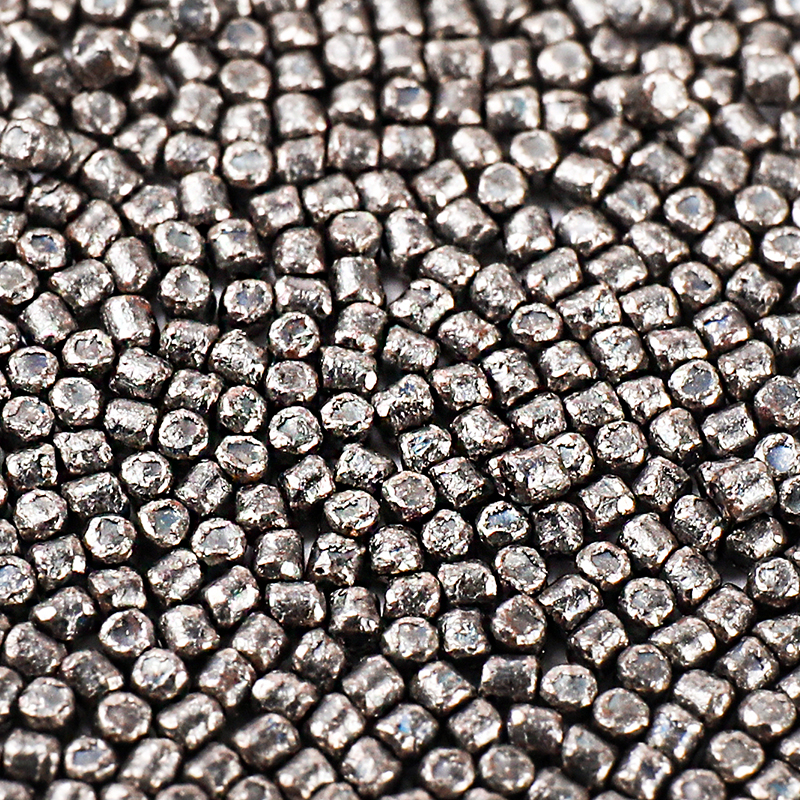
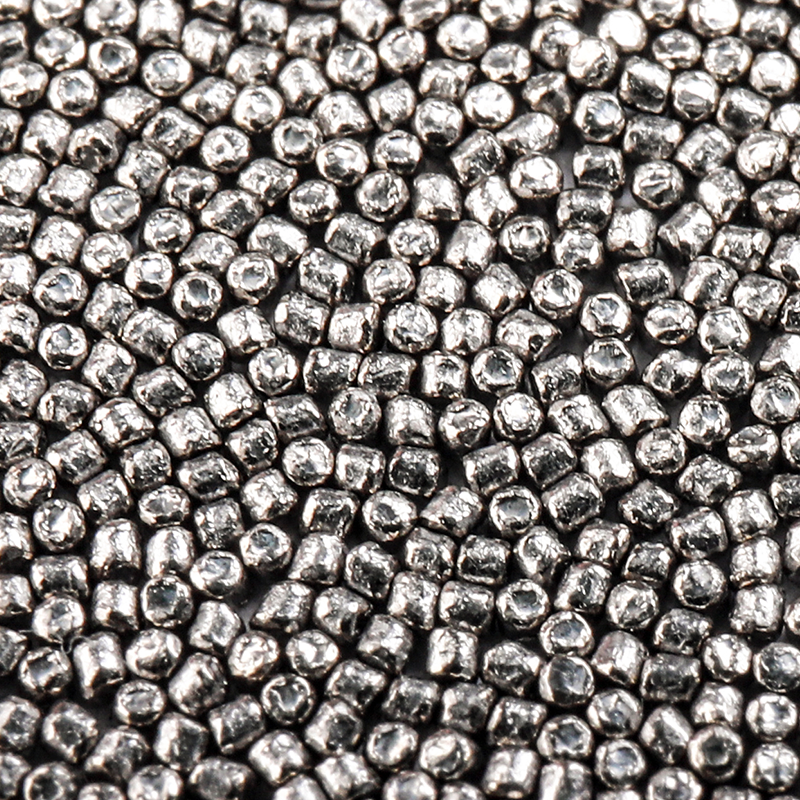
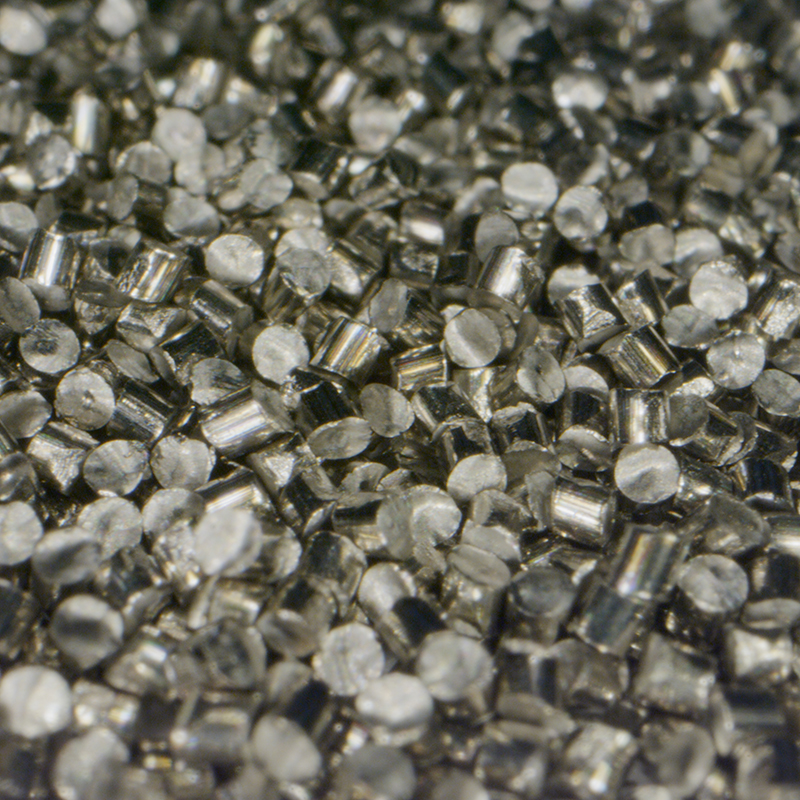
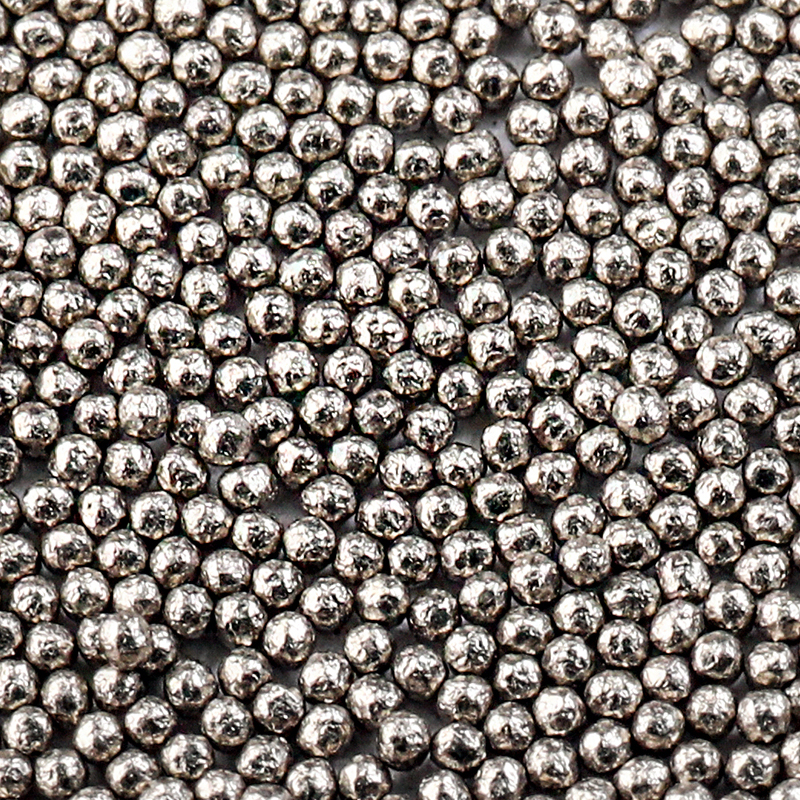
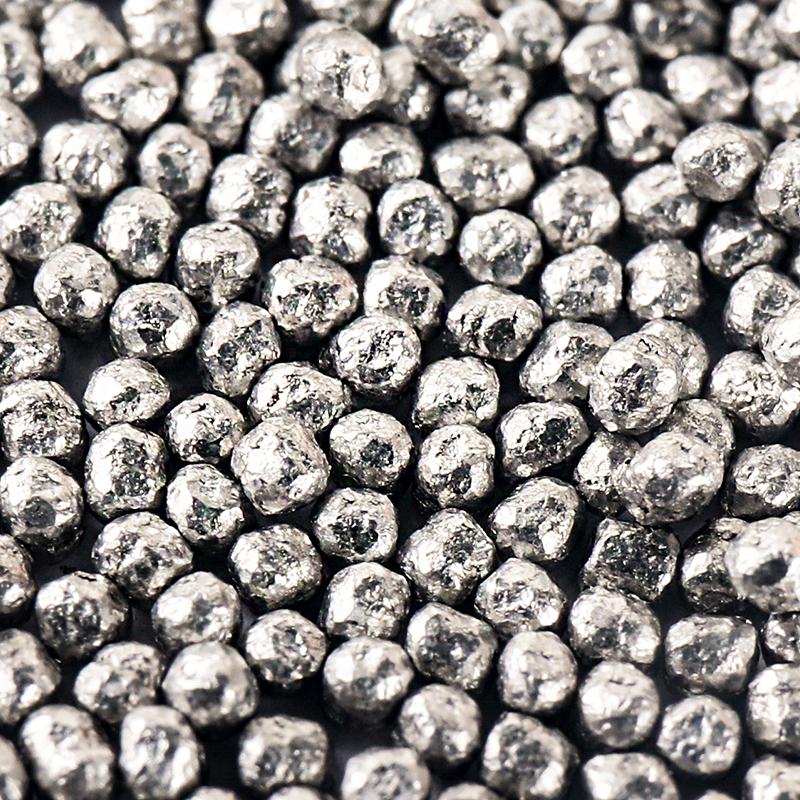
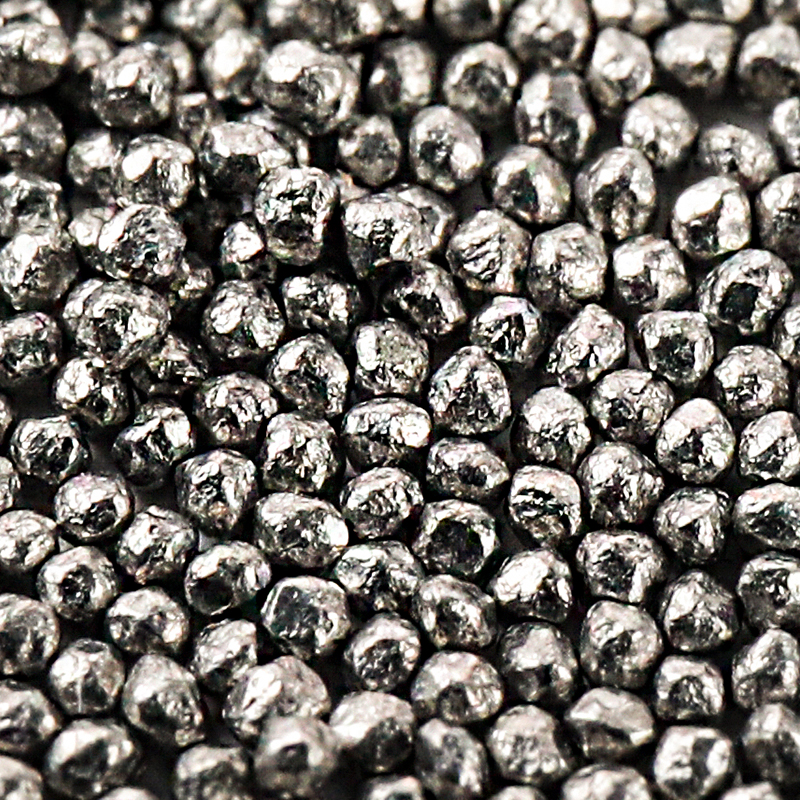
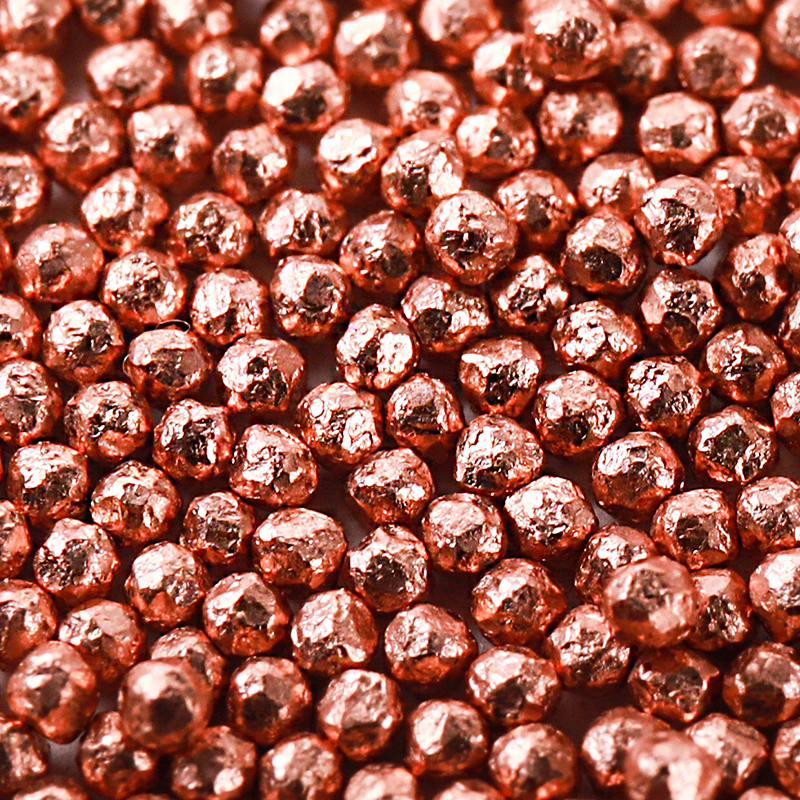
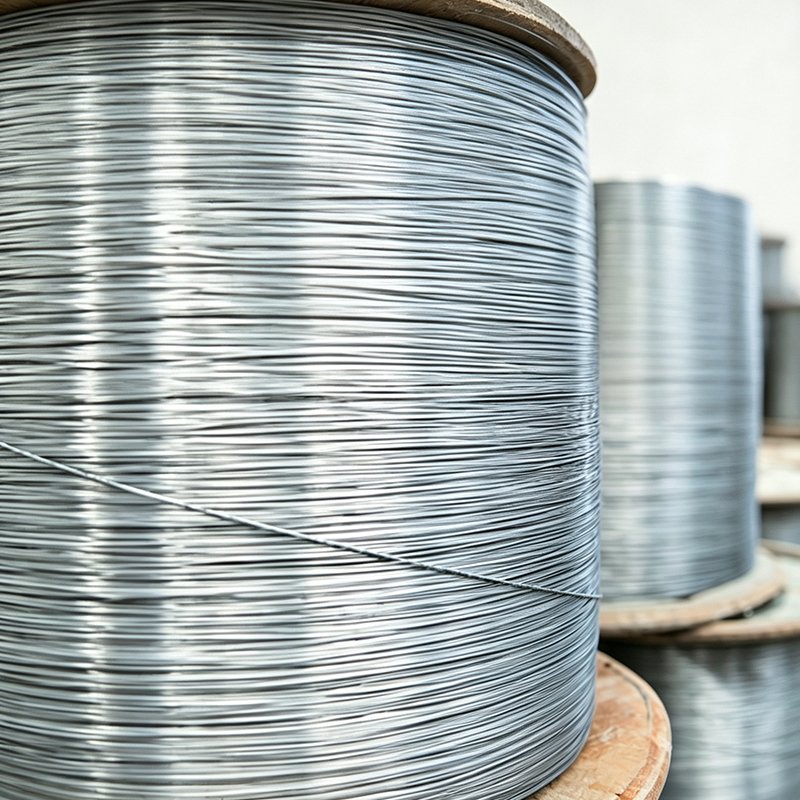
Under the same working conditions, using longer-lasting HD long-life steel shot: the addition frequency is reduced, production efficiency is improved, overall costs are directly reduced, and dust reduction is more environmentally friendly.
















Quick Links

Tonglve Metal has always adhered to its original aspiration of craftsmanship and quality, and continuously promoted technological innovation and product upgrades
Contact Us
-

Overseas Market Hotline: +86-18930452521
Domestic Market Hotline:
Ray Wang: +86-15851017666
Qi Wang: +86-13905113708
Vale Zhu: +86-13851017775
Kevin Feng: +86-13651585618
-
 Email: vice.manager@tonglvemetal.com
Mailbox: mengxi.wang@tonglvemetal.com -
 Company Address: No. 5 Xikang South Road, Dafeng District, Yancheng City, Jiangsu Province, China
